The season is narrower than people expect
Austin rooftops are genuinely excellent from roughly October through May, and difficult in the middle of the day between June and September, when an exposed roof is considerably hotter than the street and there is usually no shade to retreat to. Summer rooftop events work in the evening, after the sun is off the deck, and are unpleasant before that. This one fact eliminates a large share of the bookings people regret.
The question that matters most
What is the indoor backup, how quickly can you move to it, and does it hold my full guest count? A rooftop without a same-building indoor alternative is a bet on the weather, and Austin springs bring sudden storms.
Wind is the underrated problem
Higher floors get meaningfully more wind than the ground, and it shows up in ways nobody plans for: table settings, lightweight decor, place cards, floral arrangements, hair and anything printed. Venues rarely raise it. Ask what they do about wind, and take seriously any answer that amounts to hoping for a calm evening. Weighted linens, low arrangements and enclosed candles are the standard fixes.
Practical constraints that decide whether the space works
- Elevator capacity and access, which determines how long it takes a hundred guests to arrive and how vendors load in
- Whether load-in has a service lift or runs through the guest elevator, which materially affects your setup window
- Restroom location, because a rooftop with facilities two floors down is a worse party than it looks
- Amplified sound rules, which are usually stricter on a roof than at street level given how far the sound carries
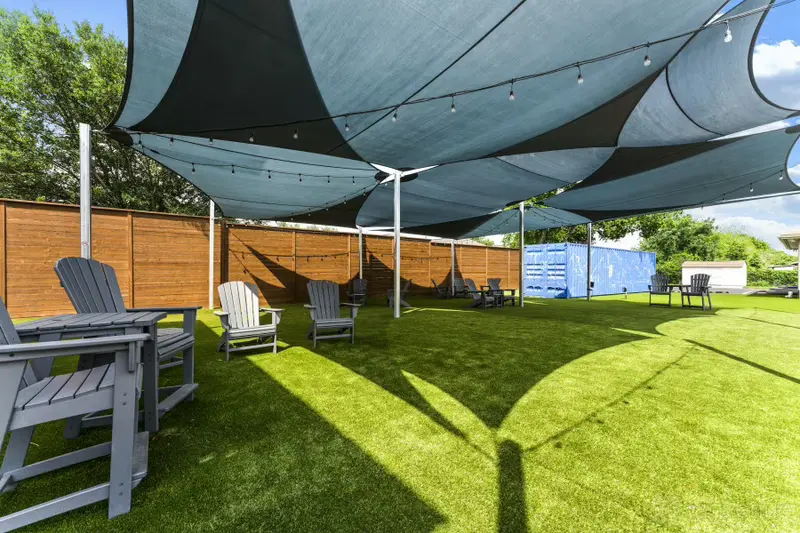
- Shade structures and heaters, and whether they are included or a rental line item
- What happens to the deck in rain, and how long it takes to be usable again afterwards
Where the rooftops are
Recommendations concentrate downtown and around Rainey Street, where the height gives skyline and river views and where hotel rooftops dominate. East Austin has a smaller set of lower, more casual roof decks over bars and restaurants, generally cheaper and more flexible about food and format. South Congress offers a handful of spaces with a downtown-skyline outlook. The trade-off is consistent: downtown gets the view and the minimum spend, east gets the flexibility and the lower price.
How rooftops are priced
Hotel and downtown rooftops mostly run on food and beverage minimums, which climb sharply for peak evenings and can be the entire cost conversation. Independent roof decks are more likely to charge an hourly or flat rental. The comparison trap is the same as everywhere else in Austin: a minimum-spend rooftop and a flat-rate roof deck are not comparable until you divide the minimum by your headcount.