A too-large room is worse than a slightly-too-small one
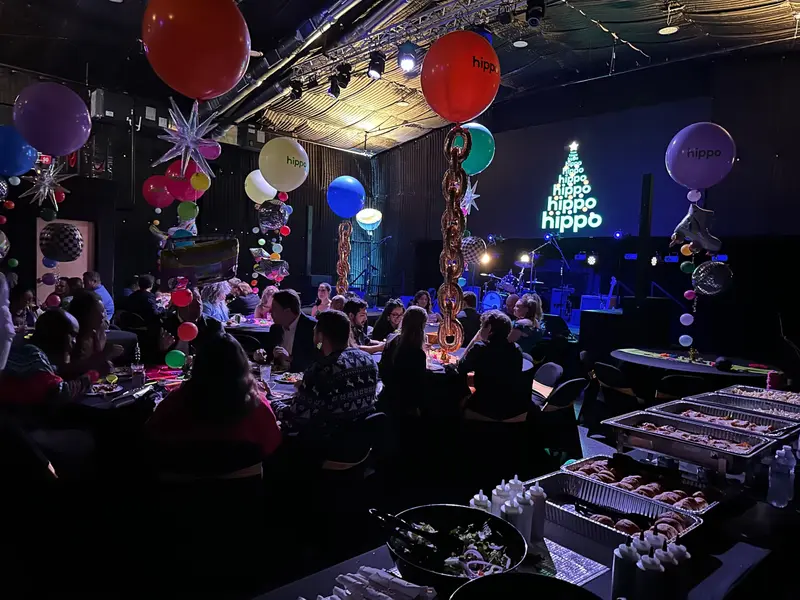
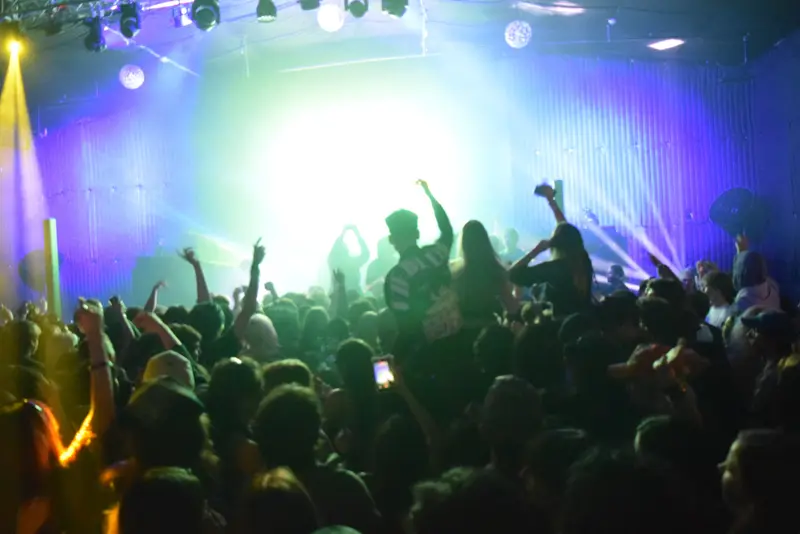
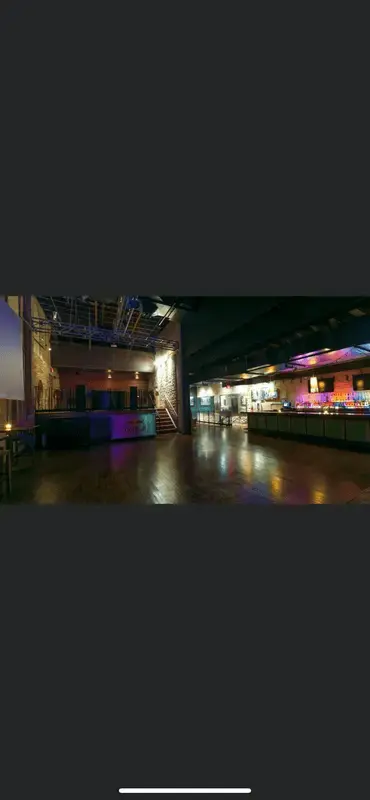
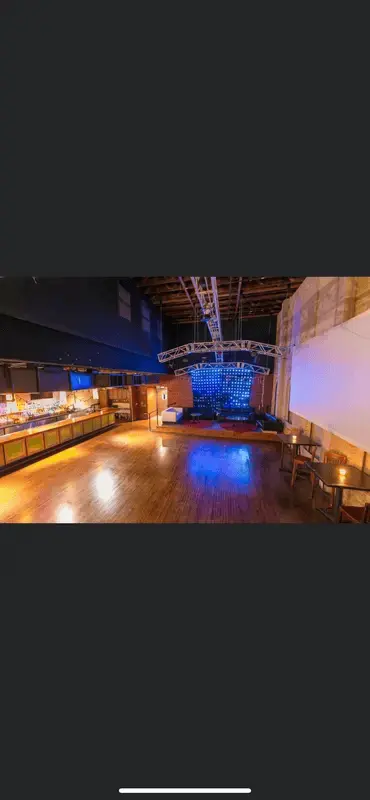
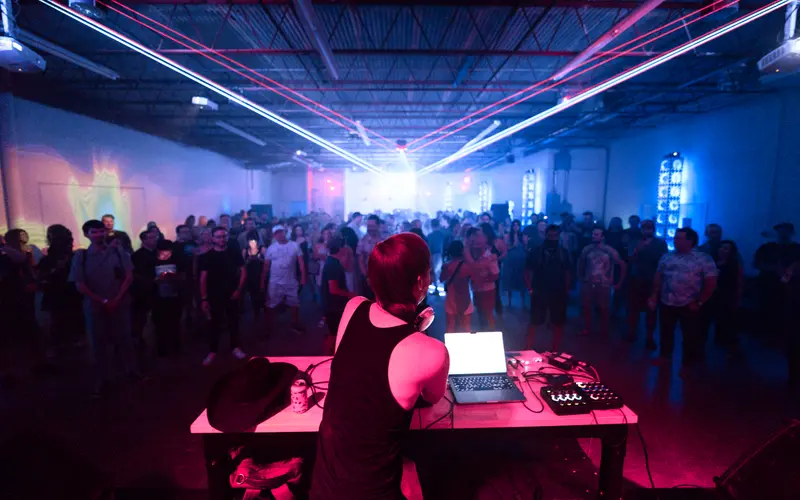
This is the most repeated observation in small-event threads and it is correct. Thirty people in a room built for a hundred and fifty feels like a poorly attended event no matter how good the food is. Sound gets thin, people spread out, and the energy never builds. Thirty people in a room built for forty feels busy and warm. When choosing between two spaces, the smaller one is nearly always the better party.
Rule of thumb
Aim for a space whose comfortable capacity is roughly ten to thirty per cent above your guest count. Much more than that and the room reads as empty.
Hourly pricing is the thing to look for
The economics of small events only work on hourly rental. A full-day or full-evening minimum charges you for hours you will not use, and for a three-hour party of thirty people that is most of the cost. Spaces that quote by the hour, with a two or three hour minimum, are the ones that make a small event affordable. This is the single most useful filter when shortlisting.
Watch the setup question, though. If your three-hour booking has to include setting up and clearing away, it is a ninety-minute party. Ask whether access time before and after is included or billed.
Formats that work well at this size
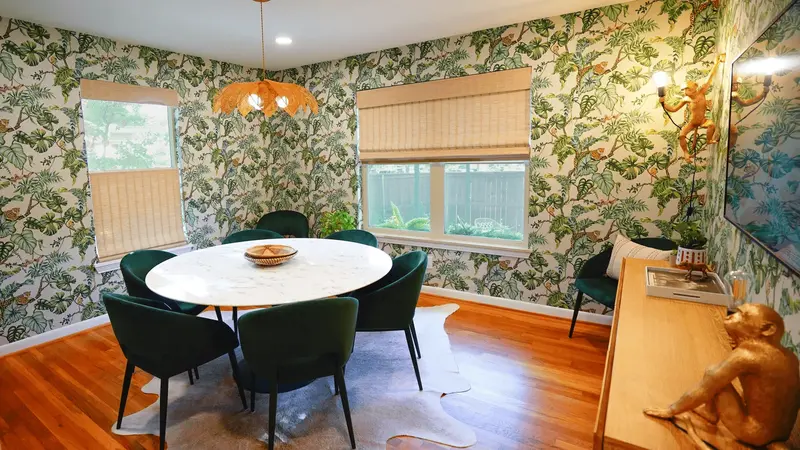
- Restaurant private rooms, usually on a minimum spend that a group of 20 to 40 hits naturally
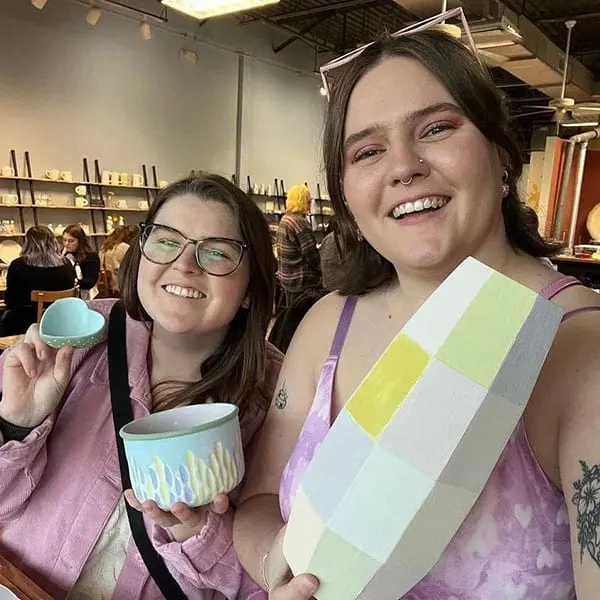
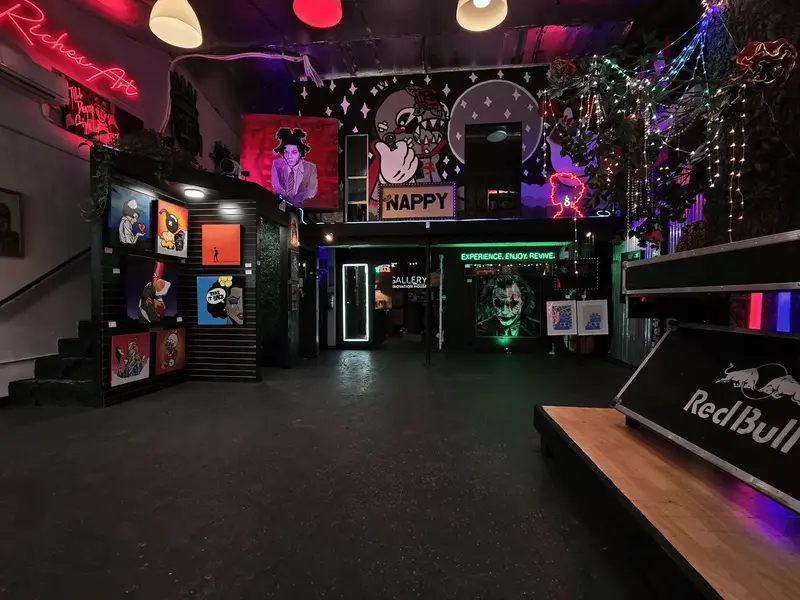
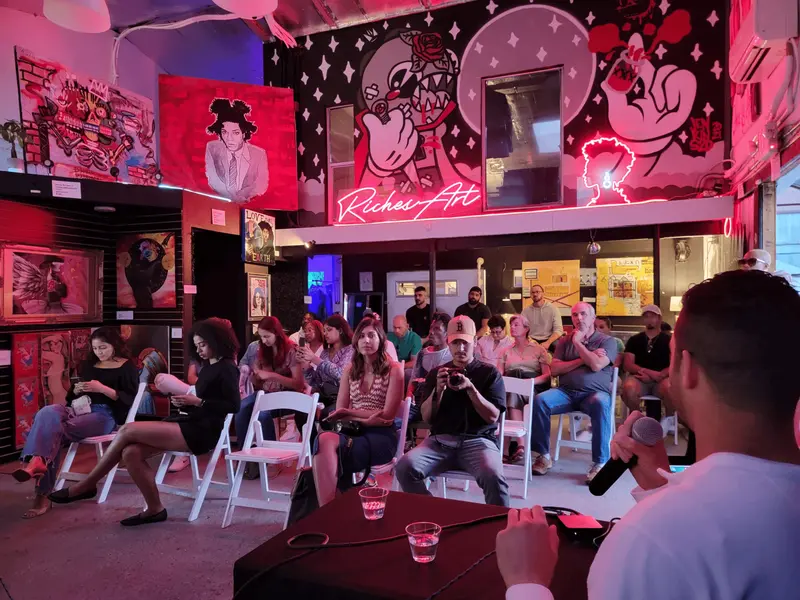
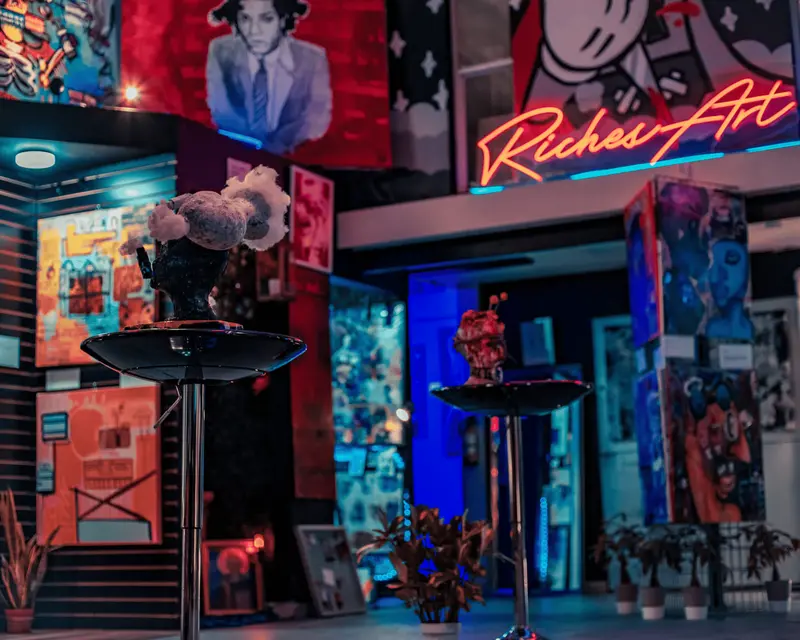
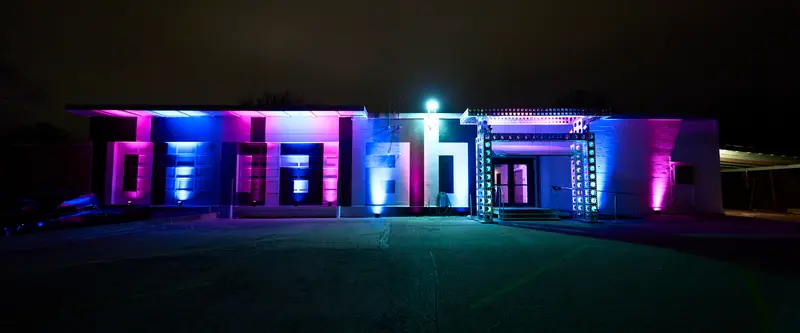
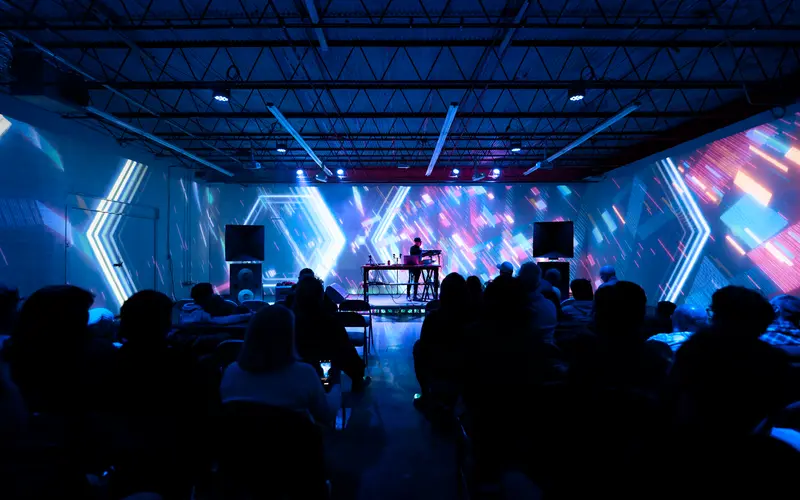
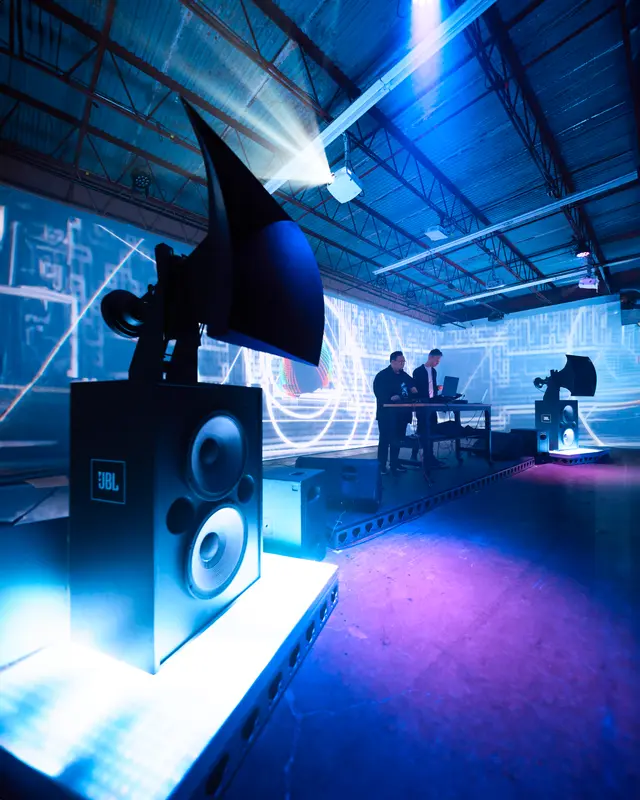
- Hourly studio, gallery and creative spaces, mostly in East Austin, flexible about outside food
- Bar back rooms and mezzanines, good for drinking-led events, less good if you need to talk
- Coffee shops and cafes for daytime events, frequently much cheaper than the evening equivalent
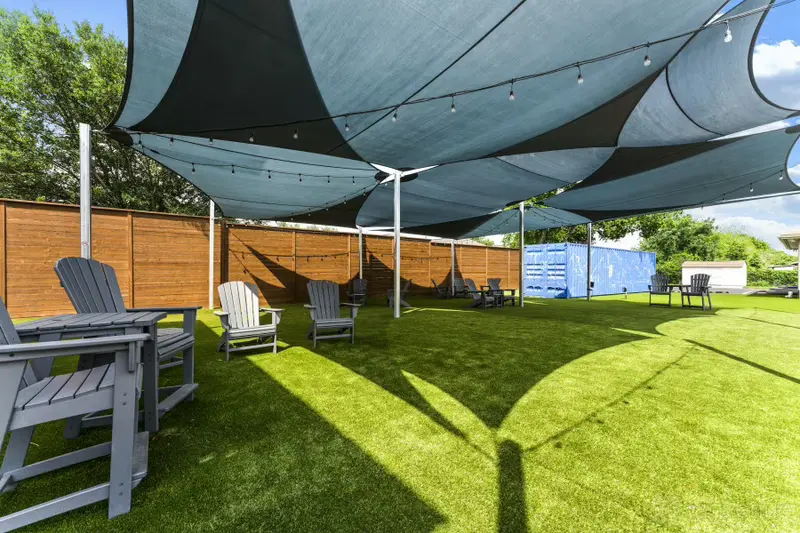
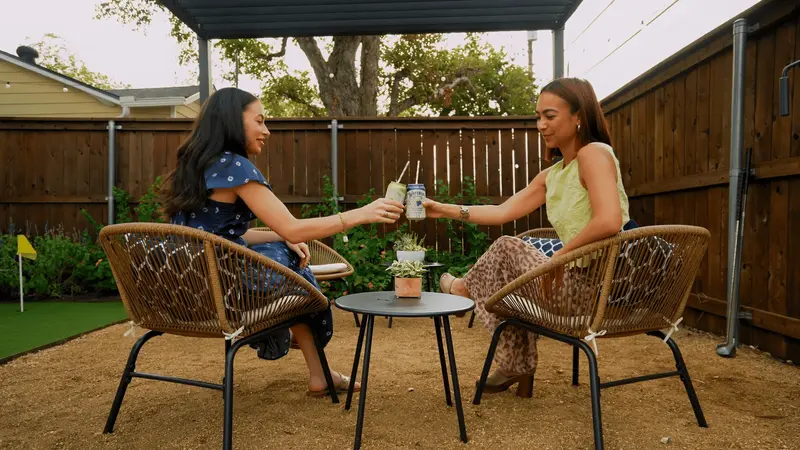
- Covered patios and small backyard spaces, excellent outside the summer months
What small spaces get wrong
| Issue | How to check before booking |
|---|---|
| No sound system | Ask specifically what music plays through. A phone speaker is common and rarely mentioned. |
| Not enough seating | Ask how many chairs are in the room, not how many people fit in it. |
| Shared restrooms with a busy business | Ask whether the facilities are private to your event during your booking. |
| No climate control | Matters enormously in an Austin summer, and converted spaces are frequently under-cooled. |
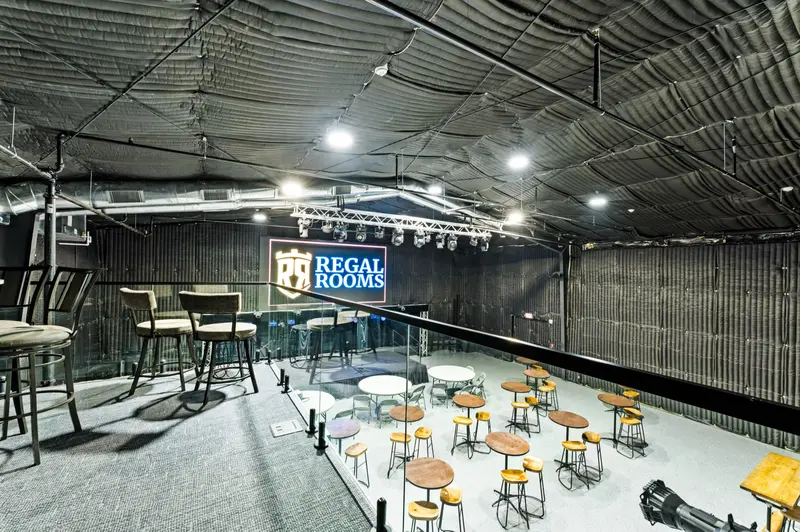
| Awkward shape | A long narrow room splits a group in two. Ask for photos taken from the doorway, not the marketing shots. |
Booking is faster at this size
Small spaces book on much shorter notice than large ones. Three to four weeks is comfortable for most of the year, and a fortnight is frequently workable outside December and the festival windows. That is genuine flexibility, and it means you can wait until your headcount is firm rather than guessing early and paying for a bigger room than you needed.