The Texas licensing question, in plain terms
Alcohol service in Texas is regulated by the Texas Alcoholic Beverage Commission. The distinction that matters for private events is between selling alcohol, which requires appropriate licensing, and serving alcohol you have provided free to your guests, which is a different arrangement. Most private parties fall into the second category: the host buys the alcohol, and the bartender is hired to serve it rather than to sell it.
Separately, TABC operates a seller-server certification for individuals. Reputable bartending services in Texas use certified staff and will say so without being asked, and many venues require it in their contracts. It is a reasonable thing to ask for and a mild warning sign if the answer is vague.
The two things to confirm in writing
That the bartenders are TABC certified, and that the service carries liquor liability insurance. These are the questions that matter, and any established service answers both immediately.
How bartenders price, and what is separate
The common model is an hourly rate per bartender with a minimum number of hours, plus setup and breakdown time. What is usually not included, and what people repeatedly forget to budget for:
- The alcohol itself, which for most private events the host buys
- Mixers, garnishes, ice and straws, sometimes offered as a per-head package
- Glassware, or disposables, which is a rental line rather than a bartender line
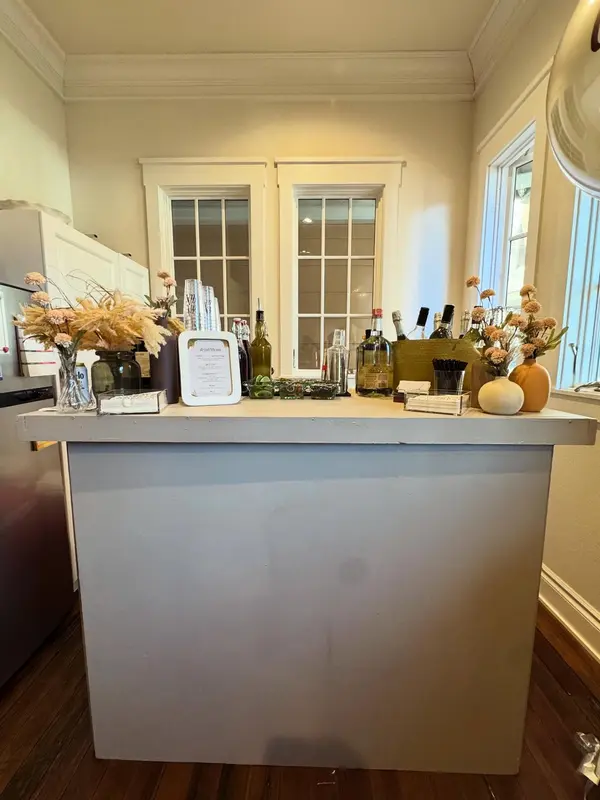
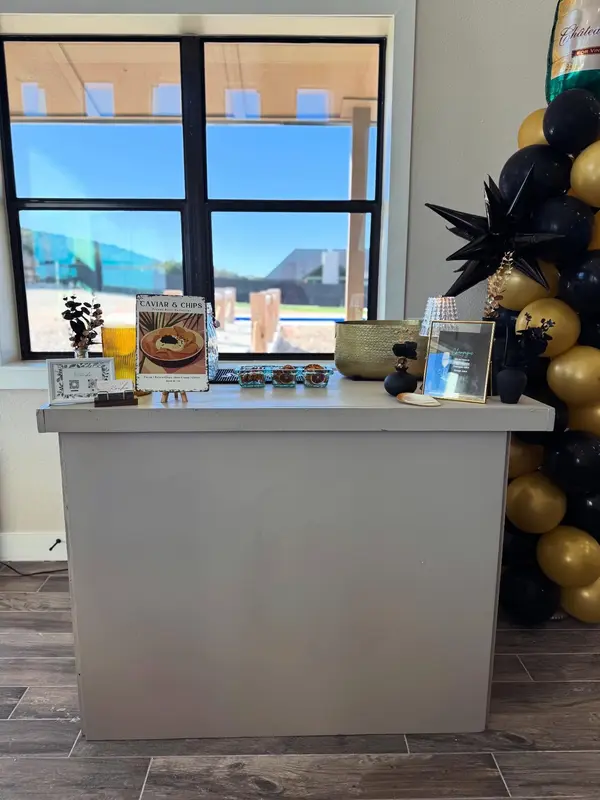
- Bar equipment: a portable bar, coolers, shakers, tools and a rubbish bin
- Ice, which is consistently underestimated. Plan generously; running out is the most common bar failure.
- Gratuity, and whether a tip jar is permitted, which is worth agreeing beforehand rather than discovering on the night
How many bartenders you need
| Guests | Bartenders | Notes |
|---|---|---|
| Up to 50 | 1 | Workable, though a single bar queues badly right after a ceremony or speeches |
| 50-100 | 2 | The standard ratio. One bartender for a hundred guests produces long waits. |
| 100-150 | 2-3 | Three if there is a cocktail hour where everyone arrives at once |
| 150+ | 3+, or two bar stations | Two stations beats one long bar for both speed and crowd flow |
The pattern worth planning for is that demand is not even. Arrival, the end of a ceremony and the start of dinner all produce a rush, and staffing for the average produces a queue at exactly the moments people remember.
Buying the alcohol without over-buying
The consistent advice is to plan on roughly one drink per guest per hour, weighted heavily towards the first two hours, and to buy on a returnable basis wherever possible. Several Texas retailers will take back unopened cases, which turns over-ordering from a loss into an inconvenience. Ask before you buy rather than after.
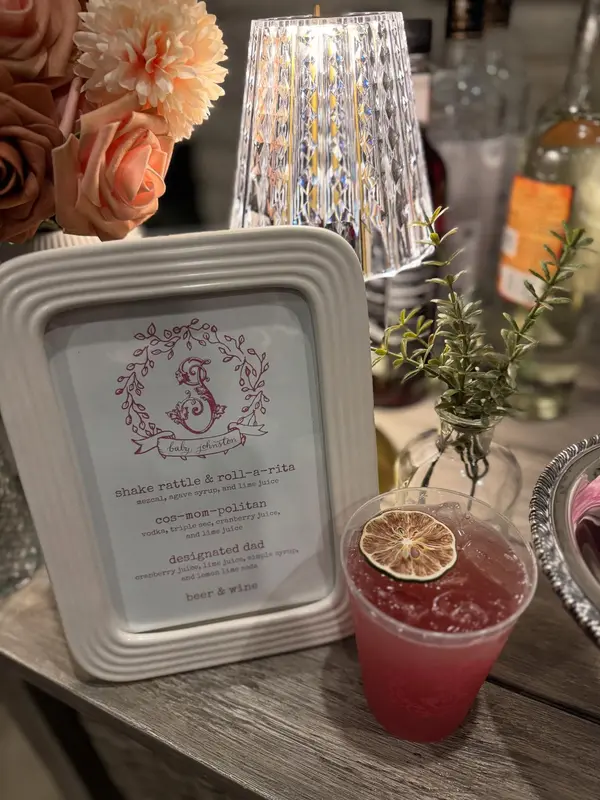
A limited bar is also worth considering and is far better received than people fear. Beer, wine and one or two signature cocktails covers most guests, costs substantially less than a full spirits bar, and speeds up service considerably because the bartender is not making twelve different drinks. The complaint that shows up in threads is not about limited bars, it is about running out and about having nothing decent for non-drinkers.
Non-alcoholic options are not optional
This appears in event threads constantly and is easy to fix. A bar with nothing beyond soda for non-drinkers quietly excludes pregnant guests, people in recovery, designated drivers and anyone who simply is not drinking. A decent non-alcoholic option or two costs very little and is noticed by more of the room than most hosts expect.