The venue decides this before you do
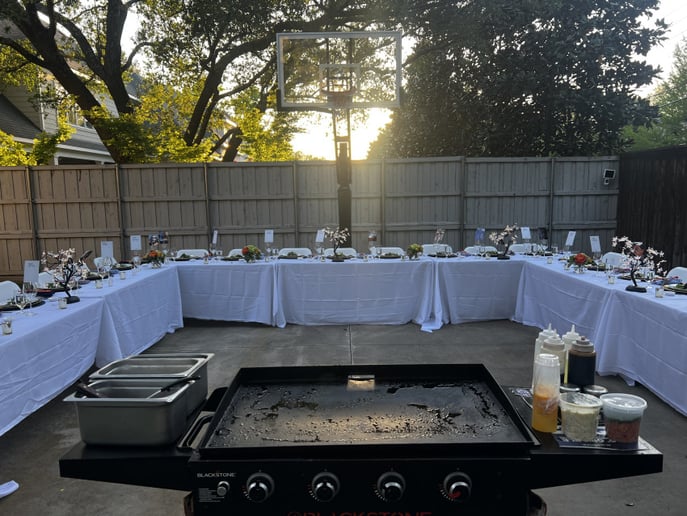
Before shortlisting anyone, establish what your venue permits, because a great many venues constrain the choice severely. In-house-only catering removes the decision entirely. An approved-caterer list narrows it to a handful, sometimes with a fee to go outside the list. Full flexibility is the least common of the three and is worth real money.
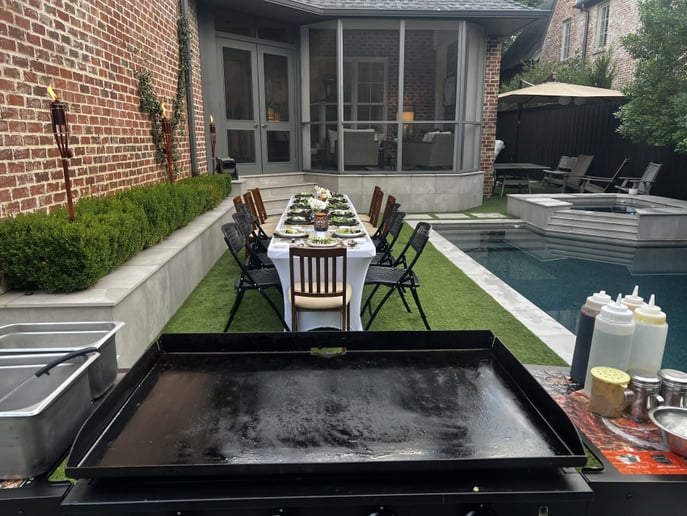
Even flexible venues attach conditions: a licensed and insured caterer, proof of a health permit, a kitchen-use fee, or a requirement that the caterer has worked the building before. Get the list of conditions in writing before you start tasting.
The comparison that makes quotes readable
Ask every caterer for the all-in per-head cost including staffing, rentals, service charge and tax, for your exact guest count. A quote of one number per person plus unspecified extras is not a quote, and comparing two of them is guesswork.
What sits on top of the food price
- Staffing, priced per server per hour, and usually scaled to guest count and service style
- Rentals: plates, glassware, cutlery, linens and serving equipment, which a drop-off caterer will not include
- A service charge, commonly a percentage of the food total, which is a house charge and not a tip
- Gratuity, separate from the service charge, and this distinction is worth confirming rather than assuming
- Delivery, setup and collection, sometimes billed as one fee and sometimes as three
- Sales tax, which applies to the whole thing and is easy to omit from a mental total
- Cake cutting or plating fees, which appear more often than people expect
The service charge deserves particular attention. It is frequently assumed to be a tip and frequently is not. Ask directly whether it goes to staff, and whether an additional gratuity is expected. Caterers answer this straightforwardly; the confusion is usually the client's.
Service styles, and what they cost you
| Style | Relative cost | Notes |
|---|---|---|
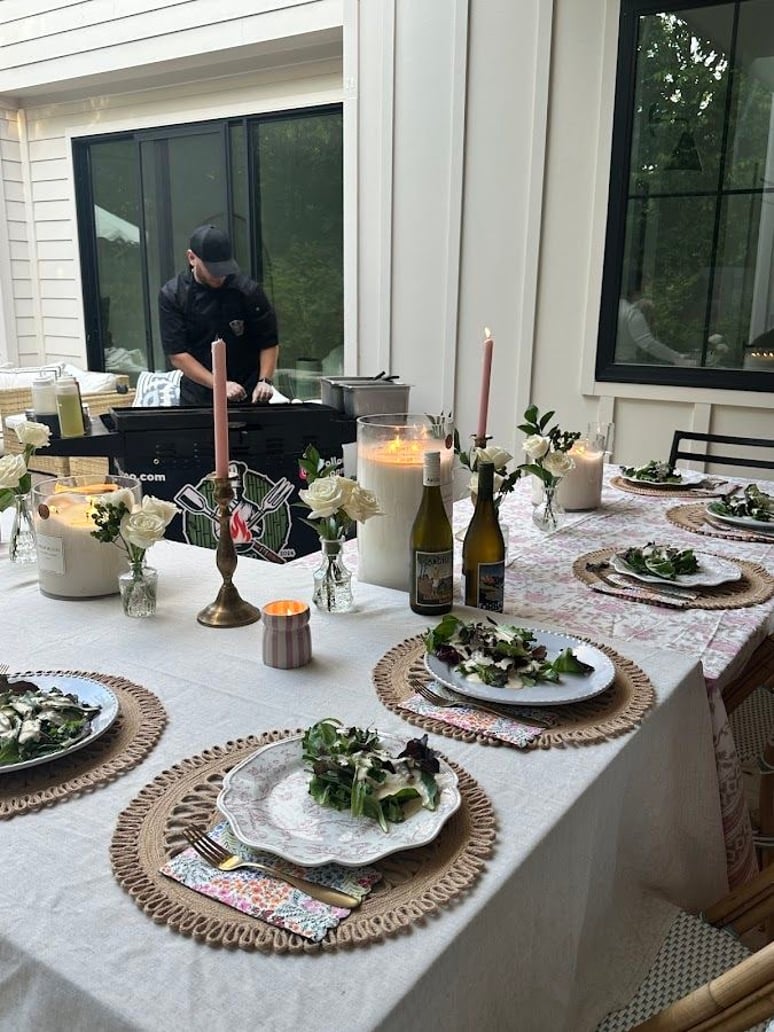
| Drop-off | Lowest | Food only. You provide serving equipment, staff and cleanup. Fine for casual events, hard above about fifty guests. |
| Buffet | Moderate | Needs staff to maintain and replenish. Faster than plated for large counts. |
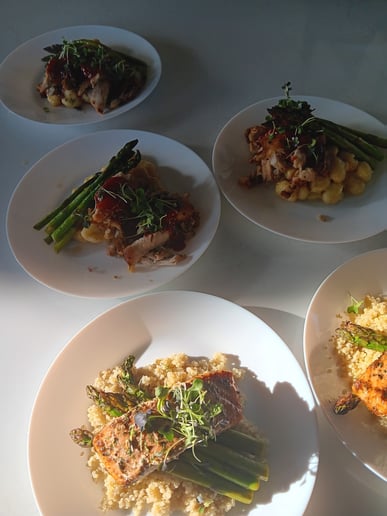
| Family style | Moderate to high | More rentals, more food per head since platters must look full, but guests consistently prefer it. |
| Plated | Highest | Highest staffing ratio. Requires accurate final counts and meal choices per guest. |
| Stations | Variable | Good for mingling events. Costs rise with the number of stations, each of which needs staffing. |
Austin specifics
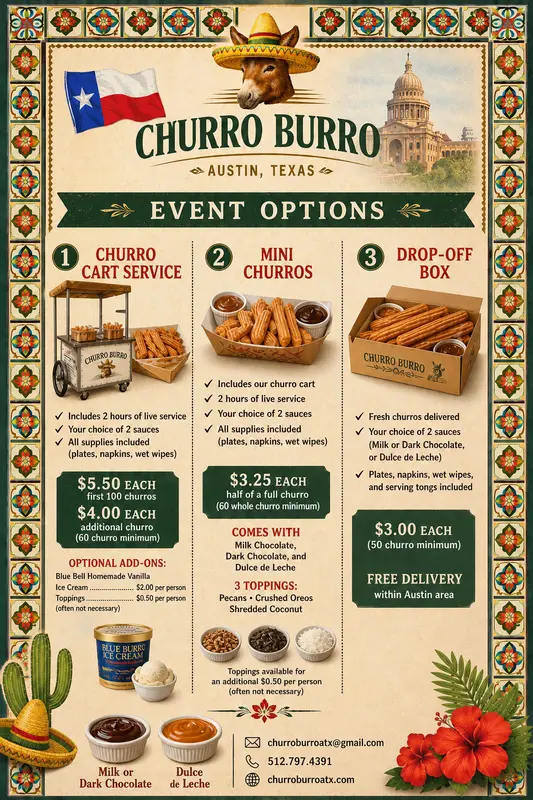
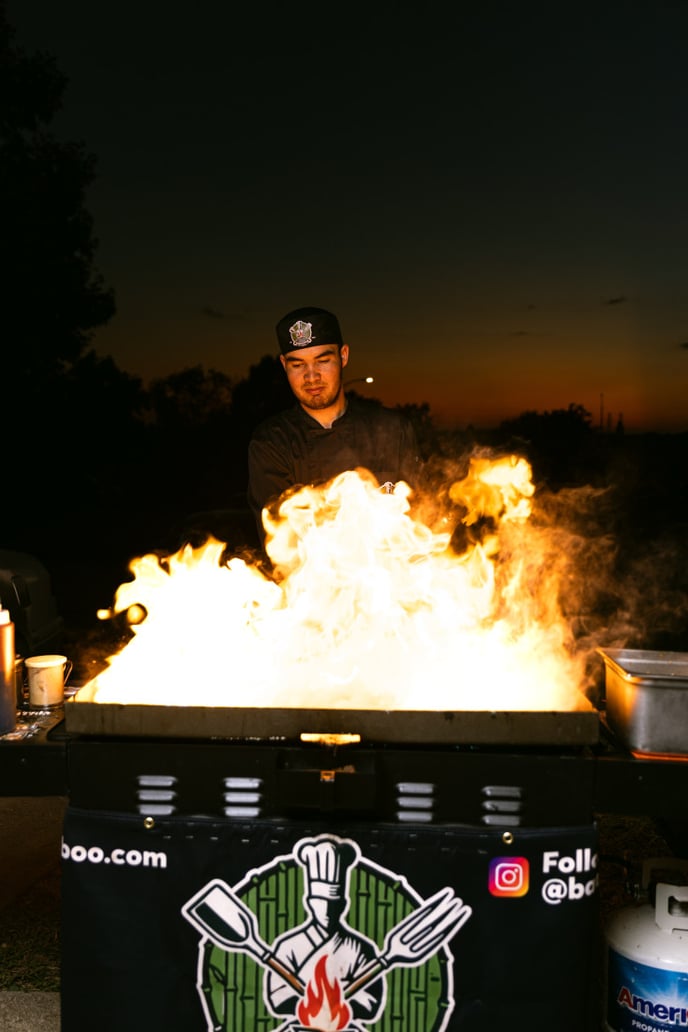
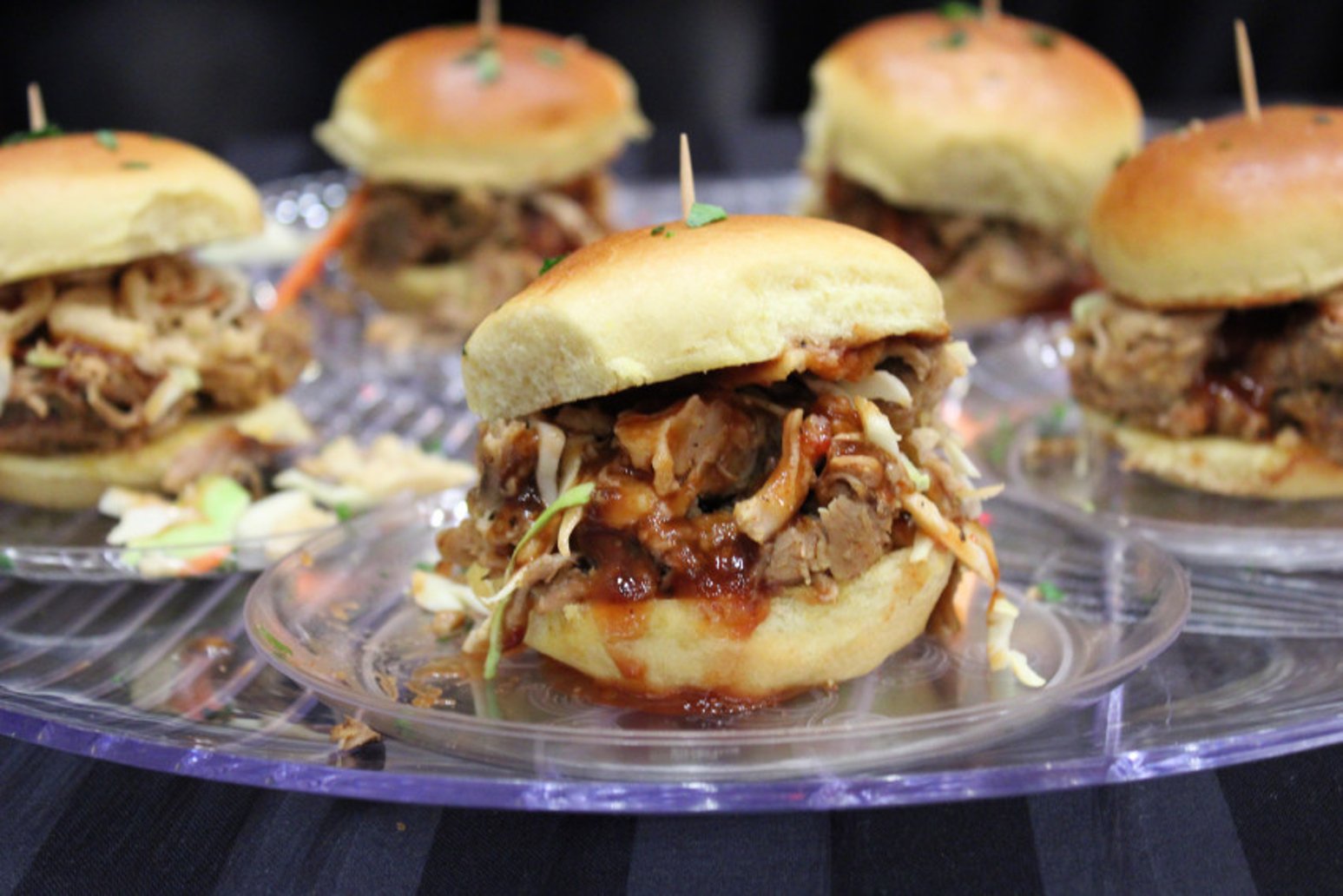
Barbecue is the obvious local strength and comes up in every thread, but it is worth knowing that the well-known barbecue names handle catering very differently from one another, and some do not cater at all in the way people assume. Tex-Mex and taco catering is the other local default and is genuinely good value at scale, particularly for large casual events. Food trucks are a common Austin format and work well, with two caveats that recur: service speed for a large guest count, since one truck feeding two hundred people creates a long queue, and power and access requirements at the venue.
Dietary coverage is the most repeated complaint about event food generally. A vegetarian option that is a side salad, or no substantial vegan, halal or gluten-free option at all, is remembered. Ask what the non-meat option actually is rather than whether one exists.
Tastings and timing
Book catering eight to ten months out for a peak-Saturday wedding, and three to four weeks is generally workable for a smaller party outside December. Ask whether the tasting is free, discounted or charged, and whether the person cooking at your event is the person who cooked at the tasting. For larger operations running several events a weekend, that is not always the same answer.