Capacity is not the number that matters
A hall advertising capacity for two hundred is quoting a standing figure. A quinceanera needs seated dinner capacity plus a dance floor plus room for the court's entrance, and those three requirements together consume far more space than the headline number implies. The practical test is to ask for the seated capacity with a dance floor in place, which is frequently thirty to forty per cent below the advertised maximum.
Ask for a floor plan, not a capacity number
Request the room layout for your guest count showing tables, dance floor and the entrance path. Venues that have hosted quinceaneras produce this immediately. Venues that have not will send a capacity number and hope.
The requirements that eliminate most venues
- A dance floor large enough for a full court, not a cleared corner between tables
- A clear entrance path for the presentation, ideally with doors that open onto the room rather than into a corridor
- Sound capable of handling live music or a DJ at volume, plus microphones for speeches
- A dressing or holding room for the quinceanera and the court before the entrance
- An end time late enough for a full evening, and a clear overtime rate if it runs over
- Outside catering permitted, or in-house catering that can genuinely cook the food you want
The catering question is the one that most often forces a change of venue late in planning. A great many event spaces mandate in-house catering or an approved-caterer list, and if the family caterer is not on that list you are choosing between the venue and the food. Settle it in the first conversation, not the third.
Where Austin families actually look
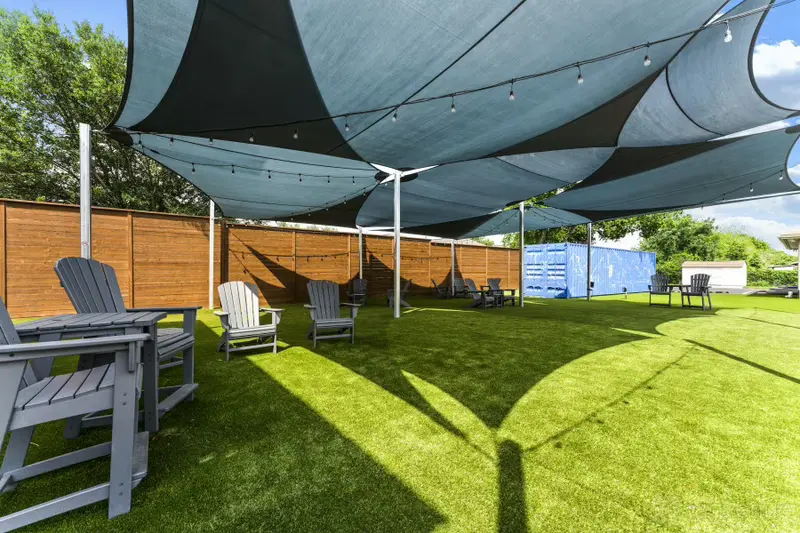
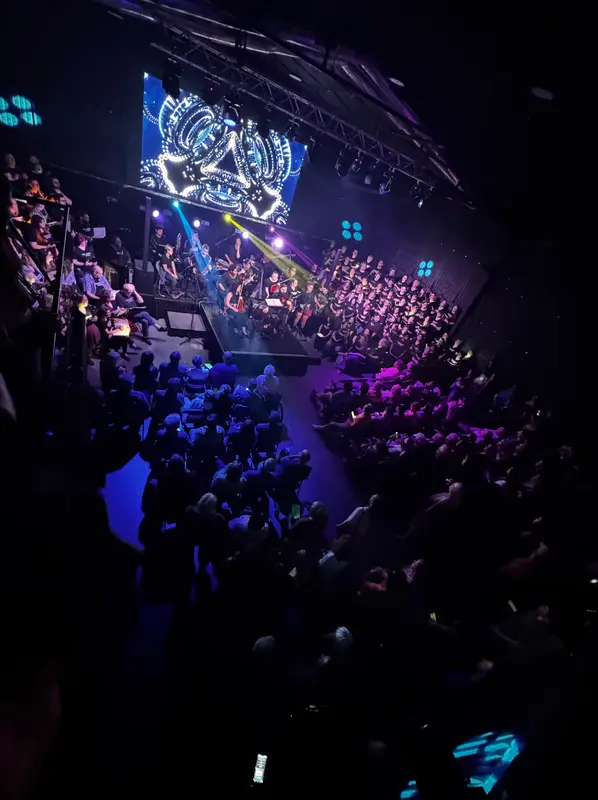
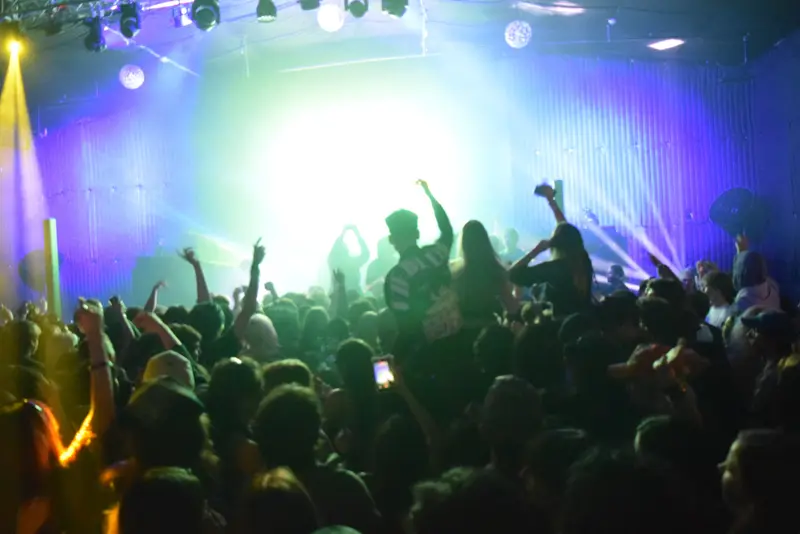
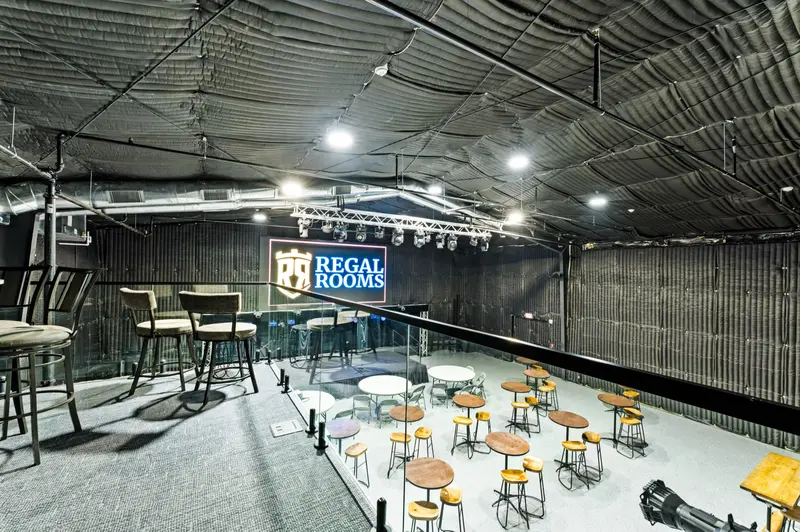
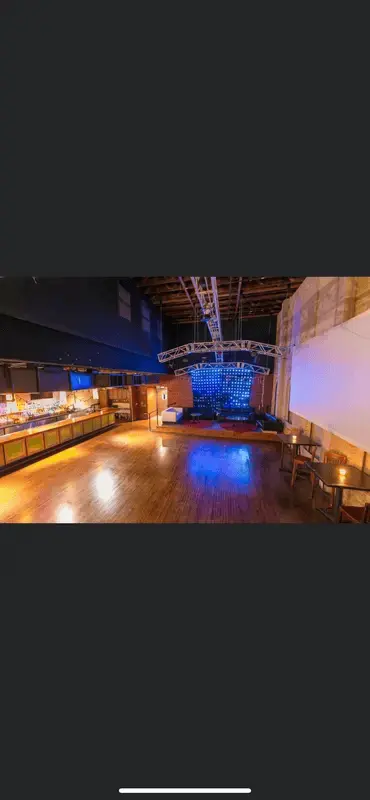
Recommendations cluster in a few places. Dedicated banquet and reception halls, mostly north and east of the centre, are built for exactly this: large seated capacity, a real dance floor, a kitchen, and staff who have run the format before. Community and church halls come up constantly and are usually the most affordable route, particularly where outside catering is welcome. Hotel ballrooms handle the scale comfortably but price on food and beverage minimums, which for a large guest count becomes the dominant number. Larger event spaces in East Austin can work, but need checking carefully against the floor plan and sound requirements.
Budget shape
The venue is rarely the largest line. For a guest count in the low hundreds, catering usually is, followed by photography and video, then music, then decor and rentals. This matters when choosing a venue, because a slightly more expensive hall that allows outside catering and includes tables, chairs and sound frequently produces a cheaper event overall than a cheap room that mandates in-house food and rents you everything else.
| Question to ask | Why it decides the booking |
|---|---|
| Seated capacity with a dance floor in place? | The real capacity, usually well below the advertised figure |
| Outside catering allowed, and is there a fee? | Often the difference between the family caterer and a compromise |
| What time must music stop, and what is the overtime rate? | Determines whether the evening you are planning is the evening you get |
| Is there a dressing room? | Rarely listed, frequently essential |
| Who sets up and breaks down, and is that inside the rental window? | Setup eating into rental hours is the most common surprise |
Booking timeline
Nine to twelve months ahead for a Saturday, and earlier if the date is fixed by a birthday that falls in spring or early summer, which is the busiest part of the calendar. Halls with strong reputations in this market book a year out for peak Saturdays. A Friday evening or a Sunday afternoon opens options and usually costs less.