Check they can shoot the wedding you are actually having
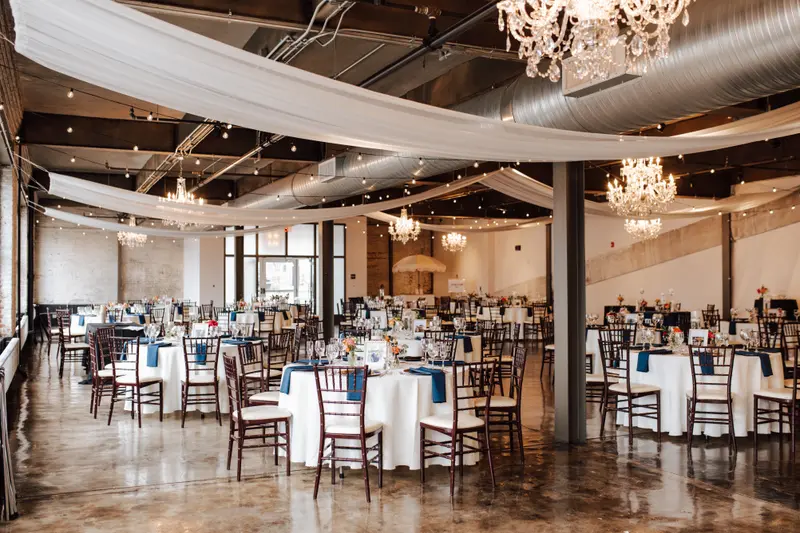
This is the local version of the standard portfolio advice and it matters more here than in sunnier markets. Philadelphia weddings happen in dim historic rooms, in warehouse spaces with mixed artificial light, in gardens in October, and outdoors in genuine winter. Each of those is a different technical problem.
- For a historic interior, ask for work from a similar room, with the reception included rather than only the portraits
- For a winter wedding, ask for winter work. Short days mean the entire portrait window may be indoors or at dusk.
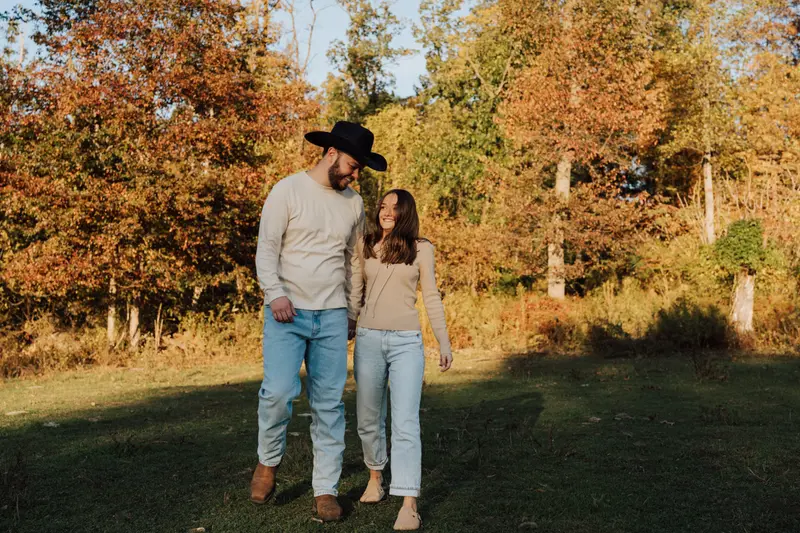
- For an autumn wedding, the light is the easiest of the year and almost any portfolio will show it well, so judge on other things
- For a warehouse or loft, ask for work in mixed artificial light, which is harder than it looks
Winter weddings need a timeline conversation
In December and January the light is gone by late afternoon. A photographer who raises this and proposes a timeline around it is giving you good advice. One who does not may be planning golden-hour portraits that cannot happen.
What the price difference buys
- Hours of coverage, and whether getting ready and the end of the reception sit inside them
- A second shooter, which changes what is possible during a ceremony and is often the real gap between quotes
- Editing scope, which is most of the labour and the main driver of turnaround
- How many edited images you receive, and whether unedited files are included
- An engagement session, frequently bundled and genuinely useful as practice
- Albums and prints, which can be a large share of a package price
- Backup equipment, and a real contingency plan if the photographer cannot attend
Image rights, in plain terms
In the United States the photographer holds copyright by default. What you receive is a licence, and its terms vary widely: some grant broad personal use including printing anywhere, others restrict printing to the photographer's lab, limit social media use, or require attribution. None is unreasonable in itself, but know which you signed. Ask whether you can print the images yourself, post them, and crop or edit them, and confirm the answers are in the contract rather than in an email.
Reading a portfolio properly
| Check | What good looks like |
|---|---|
| Consistency | Quality holds across a full gallery, not just a highlight reel |
| Low light | Sharp, naturally lit reception images in dim rooms rather than harshly flashed ones |
| Group photographs | Well-arranged family shots, a distinct skill portfolios tend to hide |
| Your season | Work from the time of year you are marrying, which matters here in a way it does not further south |
| Turnaround | The actual delivery time on their last three weddings, not the contract maximum |
Local logistics that affect the shoot
Two practical points come up repeatedly. Old City's cobblestones and narrow streets are lovely and awkward: moving a wedding party between locations takes longer than the map suggests, and that time comes out of your portrait window. And Philadelphia's walkability cuts both ways, since a photographer who knows the city will plan a portrait route on foot that a photographer from elsewhere would try to drive.
It is also worth asking whether a permit is needed for portraits in particular public spaces, and whether the photographer handles that. Established local photographers know which locations require one and which do not.
Booking timeline
Eight to twelve months for a peak Saturday, which in Philadelphia means September through early November and late spring. Winter dates are considerably easier and frequently cheaper, and photographers who might be unavailable in October are often free in February. Book photography immediately after the venue.