Pennsylvania's liquor rules are the budget lever
Pennsylvania restricts liquor licences by quota, which makes them expensive and scarce. The practical consequence, and the reason Philadelphia has an unusually strong BYOB culture, is that a large number of restaurants and event spaces do not hold a licence and instead let you bring your own alcohol.
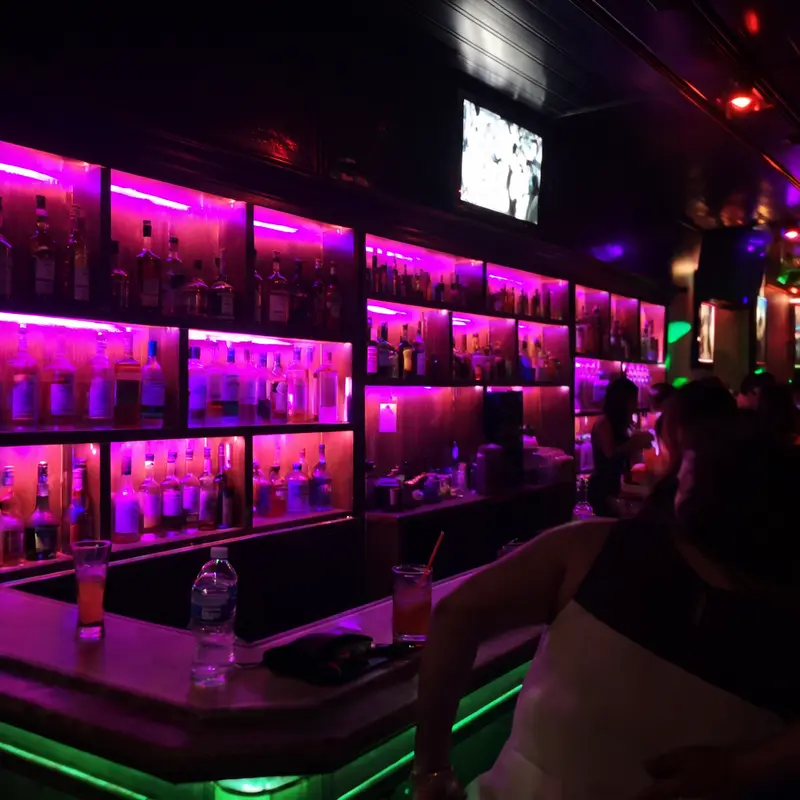
For a wedding this matters enormously. At a licensed venue the bar is typically priced per head per hour or on consumption, and it is frequently the largest single variable cost of the event. At a BYOB venue you buy the alcohol yourself and pay only for service. The difference across a hundred-guest wedding is substantial, and it is why so many Philadelphia threads recommend filtering for BYOB before anything else.
Ask this on the first call
Are you licensed, or is this a BYOB venue? If BYOB, do you require a licensed bartending service, and is there a corkage or service fee per bottle or per guest? Those three answers reshape the budget more than the rental rate does.
Two practical notes. Wine and spirits in Pennsylvania are sold through state Fine Wine and Good Spirits stores, while beer comes from distributors and licensed retailers, so buying for an event usually means more than one trip and is worth planning rather than improvising. And BYOB does not mean unstaffed: most venues still require a licensed, insured bartending service to pour, which is a cost but a far smaller one than a full bar package.
The neighbourhoods
| Area | Character | Best for |
|---|---|---|
| Old City | Historic buildings, cobblestone, colonial character | Classic Philadelphia weddings; parking is the trade-off |
| Fishtown and Northern Liberties | Converted industrial, contemporary | Modern weddings, generally better value than Center City |
| Rittenhouse and Center City | Hotels, clubs, upscale restaurants | Out-of-town guests who will walk everywhere |
| Kensington and Brewerytown | Warehouse and loft spaces | Larger, flexible, budget-conscious weddings |
| South Philly | Neighbourhood halls, BYOB restaurants | The strongest BYOB value in the city |
| University City | Institutional and academic spaces | Academic connections; check calendar clashes |
| Main Line and suburbs | Country clubs, estates, gardens | Larger formal weddings where guests drive |
Parking is a genuine constraint, not a detail
This is the most repeated practical complaint about Philadelphia venues, particularly in Old City and Center City. Many beautiful spaces have essentially no parking, and the surrounding streets are difficult on a weekend evening. That is workable, but only if you plan for it.
The advantage Philadelphia has over most American cities is that it is genuinely walkable and has real public transport, so a Center City venue with no car park is far less of a problem than the equivalent would be in Texas. The threads consistently recommend either choosing a venue guests can reach without driving, or budgeting for valet or a shuttle rather than hoping. What does not work is assuming guests will find something.
The costs above the rental fee
- Bar, if licensed, which is usually the largest variable cost
- Corkage or bar service fees at BYOB venues, sometimes per bottle and sometimes per guest
- Required in-house catering, or a buyout fee to bring your own
- Event liability insurance naming the venue as additionally insured
- Security staffing once alcohol is served
- Overtime, billed hourly, and the reason receptions end abruptly
- Valet or shuttle, which in Old City and Center City is frequently not optional
- Coat check, which sounds trivial until you have a hundred and fifty winter coats
Seasons
Philadelphia has four real seasons, which gives it a genuine advantage over the Texas markets: autumn here is excellent and September through early November is the peak, booking a year or more ahead. Late spring is the other peak. Summer is hot and humid but workable, particularly in the evening. Winter, from January through March, is the genuine off-season, and the rates reflect it. A January wedding in a warm historic interior is one of the better value propositions in this market, and locals recommend it more often than outsiders expect.