The metroplex is the first decision, not the venue
Dallas-Fort Worth is enormous and traffic is not a minor consideration. A venue that is twenty-five miles from where most of your guests are staying can easily be an hour each way on a Saturday evening, and that single fact shapes attendance, drinking, and whether people stay to the end. The consistent advice is to fix the general area first based on where guests will be, then shortlist inside it.
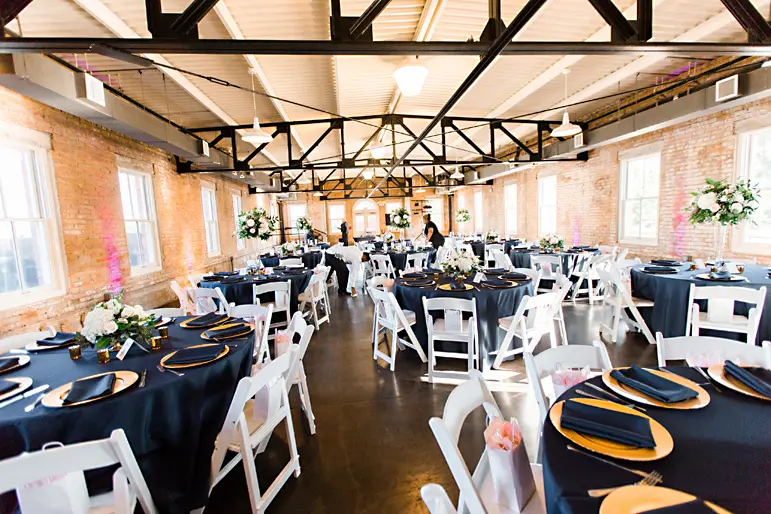
- Design District: industrial-chic galleries and event spaces, close to downtown, the most-recommended area for modern weddings
- Deep Ellum: converted warehouses and music venues, less formal, strong for couples who want character over polish
- Downtown and Uptown: hotels and high-rise event floors, best for out-of-town guests who will not have cars
- Bishop Arts and Oak Cliff: smaller, characterful spaces, generally better value than comparable spaces north of the river
- Northern suburbs, Plano through Frisco: larger, newer, more traditional venues with parking, which matters if guests are driving
- Fort Worth: a distinct market with its own character, and genuinely far from Dallas for guests staying on the east side
The question that saves the most grief
Where will most of my guests be staying, and how long is the drive to this venue at the actual time of my event? Not the mid-morning drive time the mapping app shows you when you look it up on a Tuesday.
Minimums are the real price in Dallas
More than in most markets, Dallas venues price on food and beverage minimums rather than straightforward rental. A room advertised with a modest site fee may carry a minimum that dwarfs it, and the two numbers are frequently presented in a way that obscures which one you are actually committing to. The minimum is the price. The site fee is a detail.
Minimums also move by date in ways worth exploiting. The same room on a Friday can carry a materially lower minimum than on a Saturday, and off-season months lower again. Ask for the minimum across several dates rather than the one you had in mind.
| Cost | What to confirm |
|---|---|
| Food and beverage minimum | The figure for your specific date, and whether tax and service charge count towards it |
| Service charge | The percentage, and whether it is a house charge rather than gratuity |
| Site or rental fee | Whether it sits on top of the minimum or is absorbed into it |
| Bar | Per-head-per-hour or consumption, and which is cheaper for your crowd |
| Security | Guard requirements once alcohol is served, usually scaled to guest count |
| Overtime | The hourly rate and who on the night is authorised to approve it |
The service charge question matters more here than people expect. On a large minimum, a service charge of twenty per cent or more is a substantial sum, and whether it counts towards satisfying the minimum is a genuine difference in what you pay.
Weather and the calendar
Spring is the peak wedding season and also storm season. March through May brings genuine severe weather, and an outdoor ceremony in that window needs a real indoor alternative rather than a tent and optimism. Summer heat rules out uncovered daytime outdoor events from roughly June to September. Autumn, particularly October and early November, is the most reliable stretch and books accordingly.
Two local events distort particular weekends: the State Fair of Texas across late September and October affects traffic and hotel availability around Fair Park, and home game weekends move traffic significantly in Arlington and around the stadium districts.
What the threads are good for
Community threads in this market are most valuable for two things: which venues have coordinators who actually respond during planning, and which spaces have hidden logistical problems such as difficult load-in, inadequate parking or a ceremony space that only works at a particular time of day. They are least reliable on price, since minimums change yearly and a figure quoted eighteen months ago is not a figure you will be offered.